How I built the foundation of the American economy
Today, November 7, marks the anniversary of the day in 1786 when I wrote a letter to a French official from Paris to counter false European press reports and project economic stability to a skeptical world. European newspapers often published misleading stories claiming that American finances were in total ruins. To counter these harmful rumors, I sent diplomatic updates clarifying that we were steadily laying a solid decimal foundation for our economy. Projecting an image of organization and reliability to international partners was crucial for our long-term survival.
This diplomatic defense supported a revolutionary monetary system designed for the independence of ordinary citizens. While Alexander Hamilton receives most of the credit for constructing America financial architecture, my focus was more to the ground, ensuring our money was simple and fair. I designed our base ten decimal currency system of dollars, dimes, and cents so that even uneducated farmers and shopkeepers could easily conduct trade without being cheated. Before this system, our people struggled with a confusing mix of foreign coins and complex British pounds.
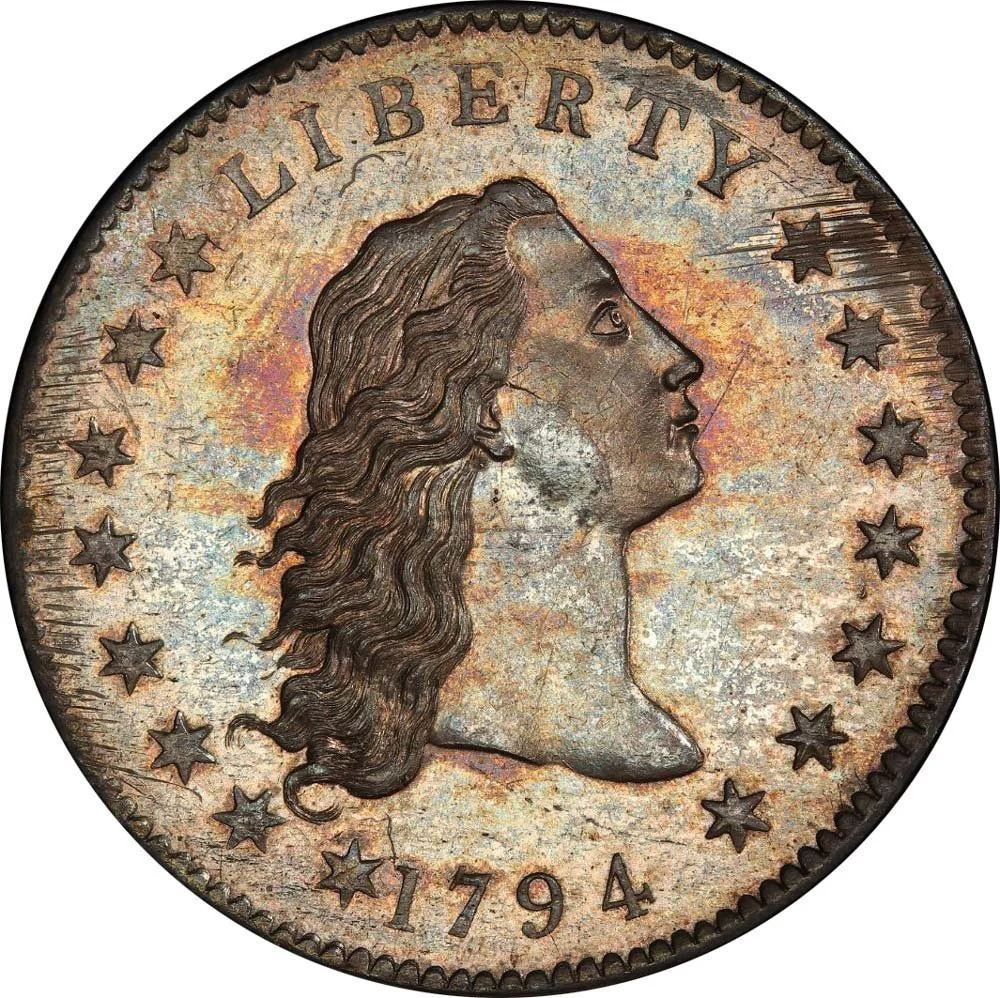
True independence also requires that we manufacture our physical currency right here at home. During my time as the first Secretary of State, I oversaw the initial development of the United States Mint. I strongly believed that depending on foreign nations to supply our coins was a massive risk to our national security. By ensuring that our currency was struck domestically under our own supervision, we successfully protected our fragile democracy and secured our financial sovereignty.
Beyond fixing the currency, I made several other major moves that shaped the American economy. My biggest real estate deal was the Louisiana Purchase in 1803. By buying that massive piece of land from France, we doubled the size of the country. This opened up the Mississippi River and the port of New Orleans for trade, giving American farmers a direct route to get their goods to global markets and unlocking vast natural resources for future industries.
I also spent a lot of time trying to reduce the national debt. When I became president, I teamed up with my Treasury Secretary, Albert Gallatin, to cut government spending down to the bone. We eliminated internal taxes, including the hated whiskey tax, and relied mainly on customs duties from foreign trade. Even with the cost of buying Louisiana, we managed to pay down a massive chunk of what the country owed, which gave us a much healthier financial footing.
Innovation was another huge focus of mine. As the first Secretary of State, I essentially ran the United States patent system and personally reviewed the very first patent applications. I wanted to protect inventors and encourage new technology because I knew it would drive economic growth. On a personal level, I was obsessed with improving agriculture. I brought new crops like upland rice into the country (covertly!) and even invented an improved plow to help farmers work more efficiently. The plow was made available without a patent so everyone can benefit.
I always believed that a country of independent, self-sufficient Americans was the true backbone of their wealth, and thus increased their happiness.
Read my letter on November 7, 1786, here: https://www.thomasjefferson.com/jefferson-letters/november-7