
My true intentions for the native tribes
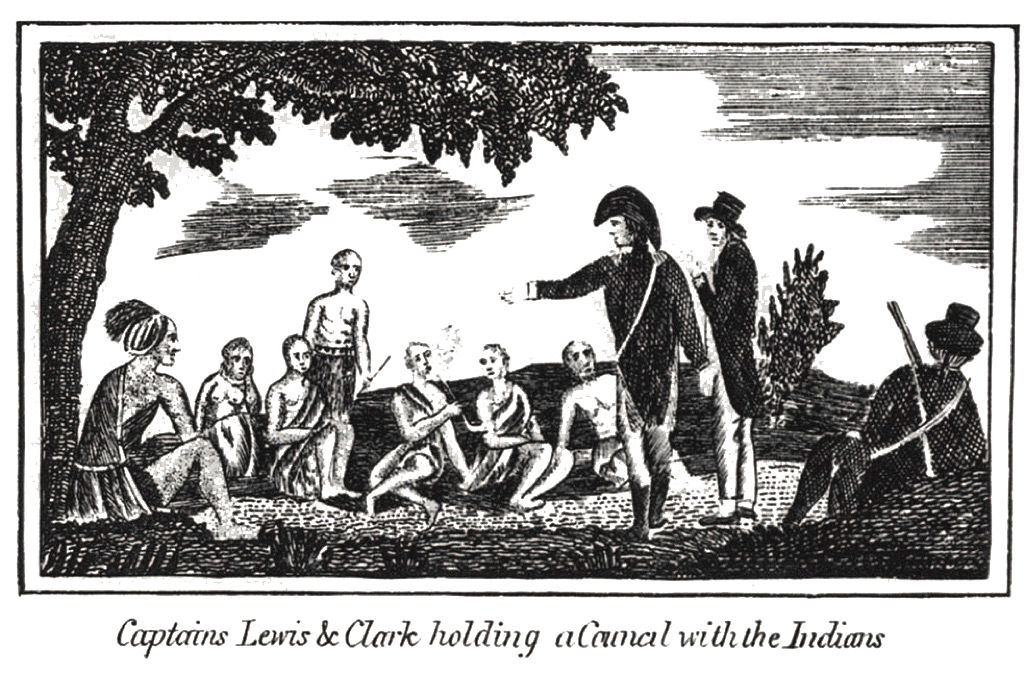
When we look at the vast future of the American republic, we face a fundamental question: how do we handle our relationship with the native tribes who live within our borders? Many critics today look back and accuse me of paving the way for their destruction. They claim that my policies were just a disguised attempt to take what was theirs. But they misunderstand my ultimate vision. My goal was never to wage endless, bloody wars, nor was it to simply steal land by brute force. I believed there was a rational, peaceful, and mutually beneficial path forward, one that would gently integrate the native population into the fabric of our growing civilization.
On January 18, 1803, I sent a confidential message to Congress to explain exactly how this system would work. I wrote that our goal should be:
"To multiply trading-houses among them, and place within their reach those things which will contribute more to their domestic comfort than the possession of extensive but uncultivated wilds. Experience and reflection will develop to them the wisdom of exchanging what they can spare and we want, for what we can spare and they want. In leading them thus to agriculture, to manufactures, and civilization; in bringing together their and our settlements, and in preparing them ultimately to participate in the benefits of our government, I trust and believe we are acting for their greatest good."
If the leaders who followed me had strictly adhered to this philosophy, the terrible tragedies of outright military expulsion and widespread warfare could have been avoided. My plan relied on the natural laws of economics, trade, and social evolution. The tribes held massive territories of uncultivated wilderness that they used primarily for hunting. But as the wilderness shrinks, hunting becomes an unstable way to survive. By establishing government trading houses, we offered them a better alternative. We brought modern comforts, farming tools, and manufactured goods directly to their doorstep.
My hope was that by adopting agriculture and domestic manufacturing, they would realize they no longer needed millions of acres of forest just to feed their families. A single farm can sustain a family far better than hundreds of acres of hunting ground. Naturally, they would see the wisdom in keeping small, manageable plots of land for farming and peacefully trading their excess, unused territory to us in exchange for the goods necessary to secure their long term domestic comfort.
This was a policy of patience, not conquest. By drawing our settlements closer together, our cultures would gradually blend. Over time, as they embraced the peace and stability of an agricultural lifestyle, they would naturally qualify to participate fully as citizens in the benefits of our government.
Critics may call this strategy calculating, and it is true that I used the leverage of trade to secure land for our expanding nation. I knew that commerce would make them dependent on us, and that debts would naturally lead to land concessions. But compare this economic coercion to the alternative. The alternative is what we saw in later years, which was the abrupt, violent, and unconstitutional confiscation of land by military force, resulting in immense human suffering, broken treaties, and unnecessary bloodshed.
My approach sought to civilize rather than destroy, to purchase rather than plunder, and to incorporate rather than expel. I truly believed, and still believe, that by guiding the tribes away from a volatile lifestyle and toward the stable benefits of American citizenship, we were acting in their absolute best interest.
You can read the confidential message to Congress on January 18, 1803 here: https://www.thomasjefferson.com/jefferson-letters/january-18
You can also read another letter on November 3, 1802, to understand that my intentions have been consistent: https://www.thomasjefferson.com/jefferson-letters/november-3