Timeless melody of history that never truly sleeps
Just in time for Halloween, I offer you this ghostly remembrance from my side of the veil:
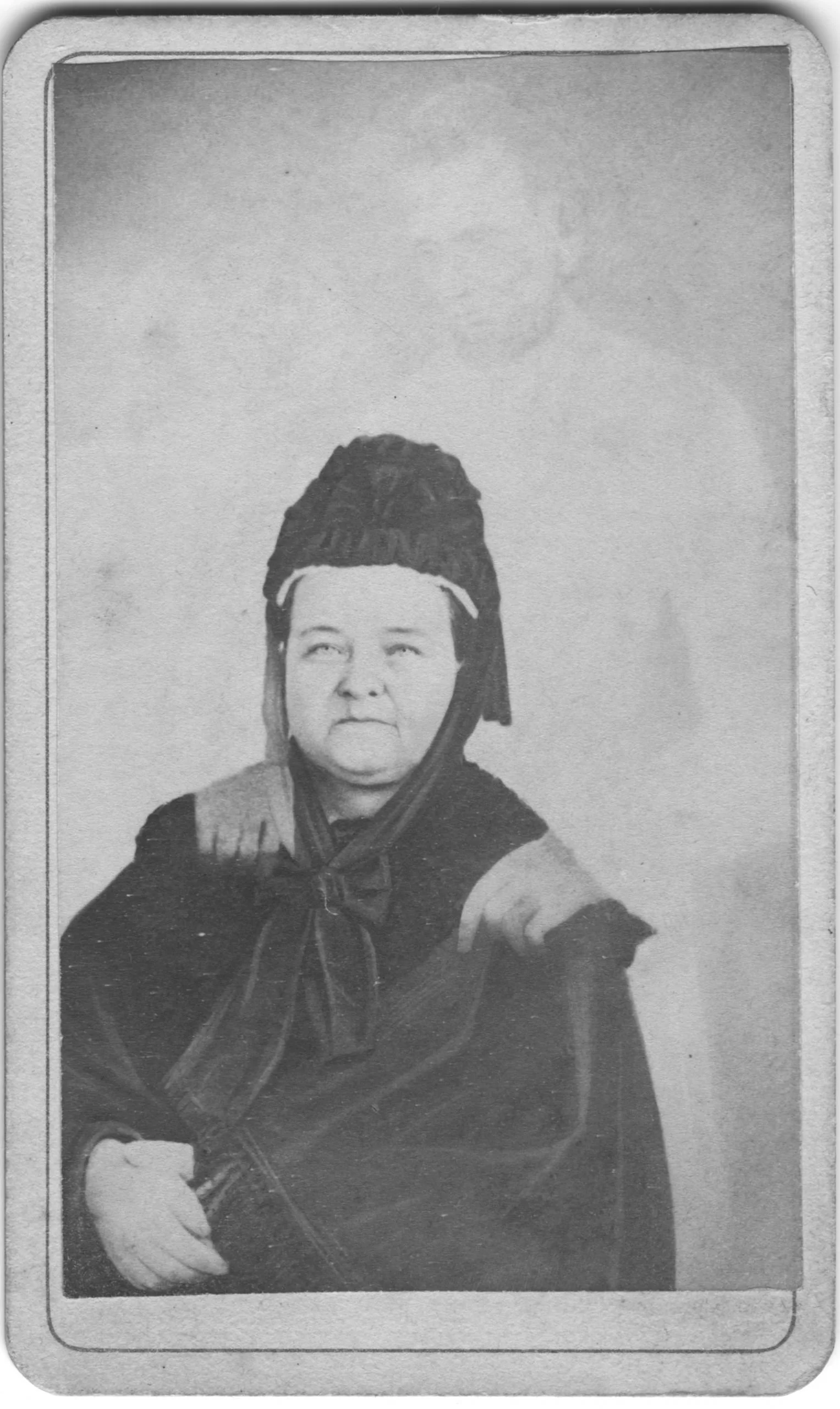
To be heard by a living soul across the expanse of generations is a curious, humbling phenomenon. From this vantage point beyond death, I am deeply amused and somewhat astonished to learn that my midnight solaces have troubled the sleep of a future occupant of this house. Word has reached my spirit that Mrs. Mary Todd Lincoln, sitting in the chambers below my old sanctuary, once remarked to a friend with a mixture of wonder and dread, "My, my, how that Mr. Jefferson does play that violin."
When I lived in the President’s House during my mortal days, it was a place of immense public burden and profound personal isolation. As a widower tasked with shaping the destiny of a young, fragile republic, the weight of the executive office was a relentless master. To escape the friction of politics and the endless noise of ambition, I frequently retreated to my private library, the Yellow Oval Room on the second floor. There, when the rest of the mansion fell into a deep hush, I would take up my beloved violin. The instrument was my ultimate sanctuary. Its strings allowed me to express the grief, the hope, and the quiet philosophies that words failed to capture. I poured my soul into those evening melodies, seeking a harmony that the chaotic world outside could never afford me.
It seems that a soul’s deepest attachments leave an indelible imprint upon the places they once loved. Though my mortal body has long since rested in the soil of my beloved Monticello, a fragment of my spirit evidently remains tied to that oval library, still playing the strings of memory in the dead of night.
How remarkable it is that Mrs. Lincoln was the one to catch those phantom notes. She was a lady heavily burdened, having just suffered the agonizing loss of her eleven-year-old son, Willie, to illness right there in the executive mansion. It was this immense tragedy that drove her to seek comfort in the Spiritualism movement, opening her world to the voices of the departed. They say she sat in the rooms beneath me, desperate for a sign from her lost child, only to marvel instead at the distant, spectral music of my bow. Perhaps the profound sorrow of a grieving mother cracked open a doorway to the unseen world, allowing her to tune into the exact frequencies of a fellow lonely traveler.
Of course, the heavy shroud of her earthly sorrow has since been lifted, and she is no longer that lonely listener weeping in the dark. She has long since crossed over to join her beloved Abraham and the children she so bitterly mourned. The broken family that the war and disease tore apart has been beautifully remade here on this side of the veil. Her husband has finally found the profound rest that escaped him during those blood-soaked years of his presidency. Freed from the crushing weight of a fractured Union, his towering spirit is at peace, his famous melancholy completely gone.
Now, when the midnight hour strikes and my phantom strings begin to play, the Lincolns often seek out the library together. Abraham will sit quietly in the corner, his long legs stretched across the rug, while Mary rests peacefully beside him, flanked by the children who are lost to her no more. They listen with serene faces, enjoying the family quietude they were so cruelly denied in life. When the music ceases, Abraham and I speak deeply about the republic, comparing the early, fragile blueprint of the nation I helped draft with the hardened, tested Union he gave his life to preserve. We marvel at the resilience of the American experiment, sharing a quiet, mutual understanding of what it costs a person to guide it. I meant no fright to the dear lady when she walked those halls; I only sought to fill the lonely rooms of the Executive Mansion with a bit of peace, leaving behind a timeless melody to remind you that some histories never truly sleep.