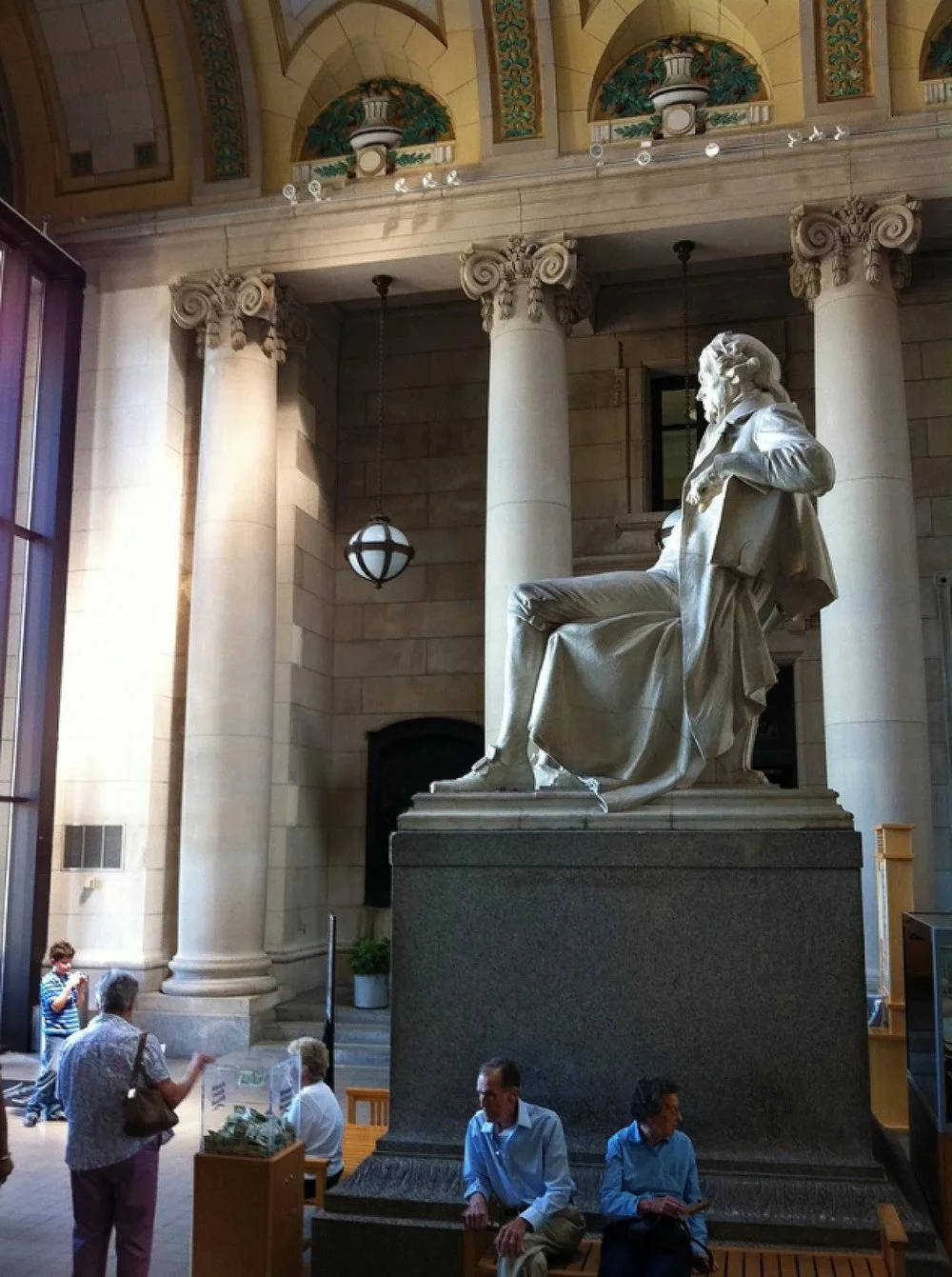
How Thomas Jefferson’s words ended up in the 13th Amendment
It started back in 1784. The Revolutionary War was over, and Jefferson was helping figure out what to do with the country’s new western territories. He wanted to ban slavery in those areas. When he wrote down the rule, he added a loophole: no slavery is allowed, unless it’s a punishment for a crime. Southern politicians hated the anti-slavery part, so they voted the whole thing down.
But three years later, in 1787, the government needed a law for those same territories (which eventually became states like Ohio and Michigan). They dug up Jefferson’s old draft, liked his phrasing, and copied it word-for-word into a law called the Northwest Ordinance. This time, it passed.
Fast forward through decades of tension, all the way to the Civil War in the 1860s. Abraham Lincoln and Congress knew they needed a constitutional amendment to kill slavery for good. Some politicians wanted to write something new and poetic about equality. But the Senate lawyers handling the paperwork decided to play it safe.
Instead of starting from scratch, they went back to the old 1787 law and copied Jefferson's exact words. They did this for a very practical reason: it was already a trusted, legal formula. Plus, it was written by a Founding Father, which made it a lot harder for conservative politicians to argue against.
When the 13th Amendment was finally passed in 1865, it used that exact same phrasing from 1784. Jefferson didn't live to see the end of slavery, but when the country finally banned it, they used the exact tool he designed nearly a century earlier. Thank you, Mr. Jefferson.